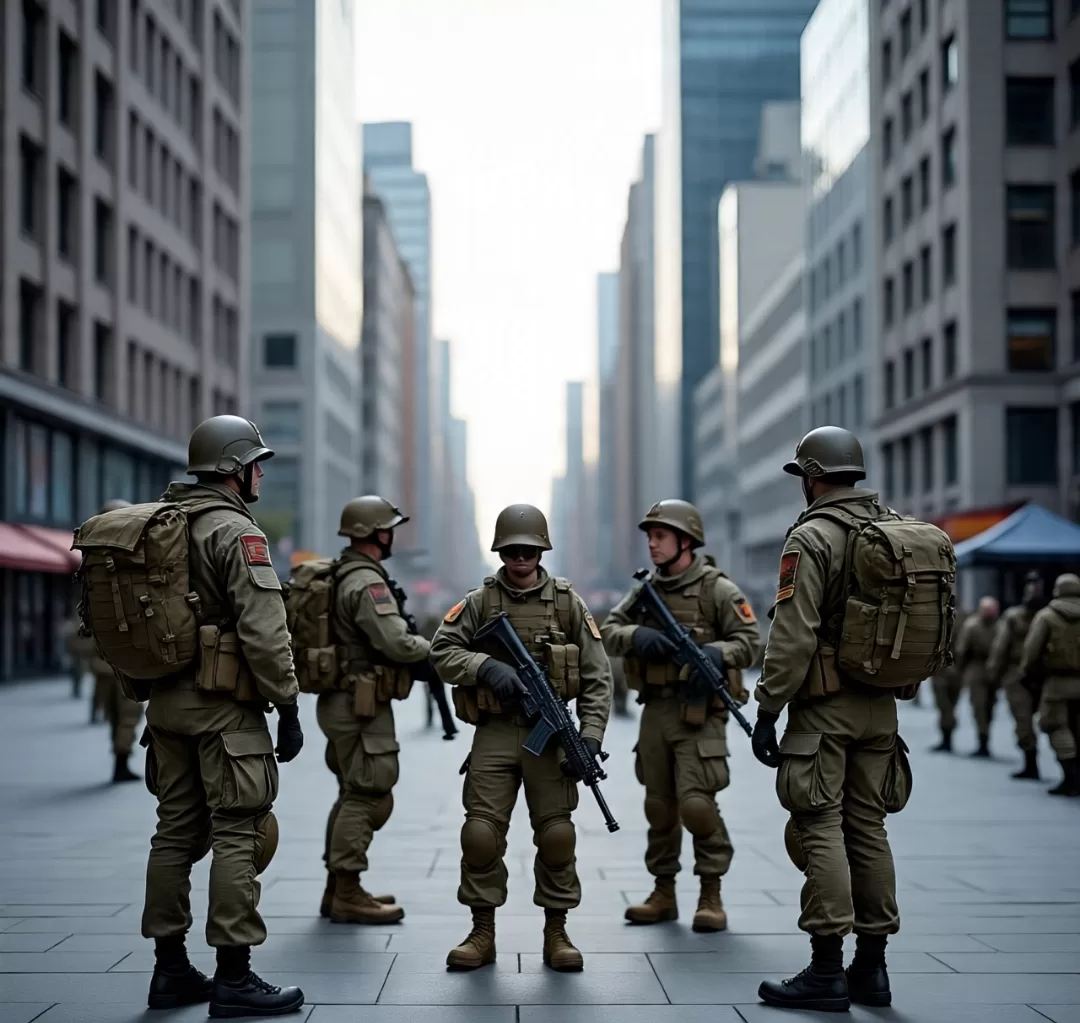
Germany is thinking about bringing back compulsory military service. This idea has sparked a big debate. Some say it will strengthen the country’s defense. Others worry it could harm the economy. The plan might start in 2026. It could affect young people and businesses. Let’s explore the pros and cons.
Why Germany Wants This Change
Russia’s war in Ukraine changed everything. Germany feels the need to be ready. The country wants a stronger military. The Bundeswehr, Germany’s army, needs more soldiers. Right now, it has about 180,000 troops. The goal is to reach 203,000 by 2031. Volunteers alone might not be enough. So, leaders are considering a draft.
The plan follows the Swedish model. All 18-year-olds would fill out a questionnaire. Some would be called for training. Service could last several months. Men and women might both be included. The idea is to build a bigger, ready force.

Economic Worries
Bringing back the draft could hurt the economy. Young people would leave jobs or studies. Businesses might lose workers. This could slow down growth. Germany’s economy is already struggling. It grew just 0.2% last year. Losing workers could make things worse.
Training soldiers costs money. The government plans to spend more on defense. This could mean less money for schools or roads. Some experts say the cost could hit billions. Businesses might also face higher taxes. This could lead to less investment.
Small companies worry the most. They rely on young workers. Losing them could hurt production. Big firms might adapt better. But the overall economy could feel the strain.
Possible Benefits
Not everyone thinks it’s bad news. Some see economic upsides. Military service could teach skills. Young people might learn discipline and teamwork. These skills could help them in future jobs.
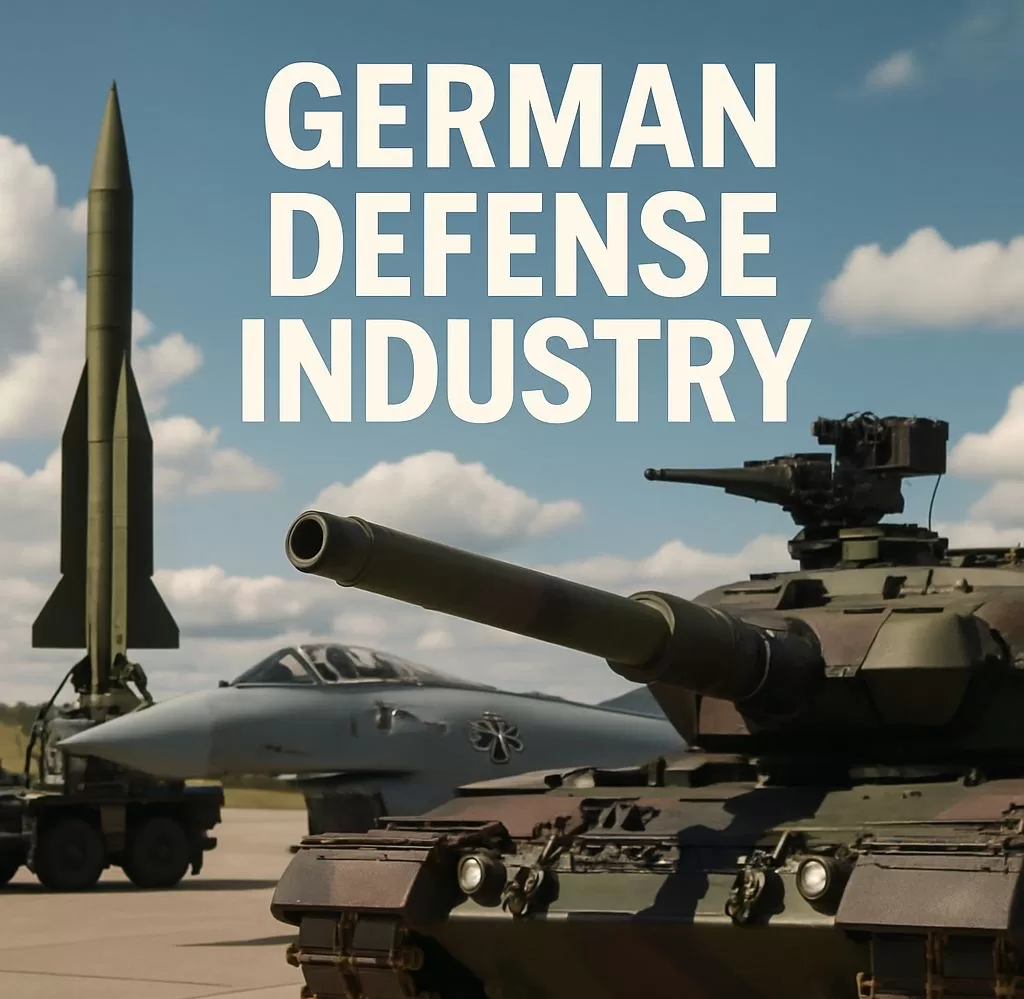
The defense industry could grow. More soldiers mean more equipment. Companies making tanks or guns could hire more people. This might create new jobs. Some argue it could boost innovation too.
A stronger military might attract allies. NATO countries could invest in Germany. This could bring money into the economy. Safety might also encourage business confidence.
What Young People Think
Young Germans have mixed feelings. Some support the idea. They want to defend their country. Others feel it’s unfair. They don’t want to leave school or work.
A recent poll shows split opinions. About half favor the draft. The other half oppose it. Many want a choice. They’d rather volunteer than be forced.
Students worry about their education. Delaying university could hurt their careers. Workers fear losing jobs. The government might offer pay during service. But it might not match regular wages.
Business Reactions
Business leaders are concerned. They need young workers. A draft could create labor shortages. This might raise costs. Some companies support the idea. They see it as a national duty.
The government asked businesses to help. Chancellor Friedrich Merz wants their support. He says defense is a priority. Businesses might get tax breaks. This could ease the burden.
Some industries might benefit. Defense contractors could see growth. But retail and tech might suffer. They rely on young talent. The balance is tricky.
Looking at Other Countries
Germany isn’t alone. Other nations use conscription. Sweden brought it back in 2017. It works with volunteers. Denmark drafts men at 18. Lithuania does it too.
These countries report mixed results. Sweden’s economy didn’t collapse. Denmark’s businesses adapted. But labor shortages still happened. Germany could learn from them.
The key is flexibility. Offering choices might help. Some countries allow civil service instead. This could ease economic pressure.
The Big Decision
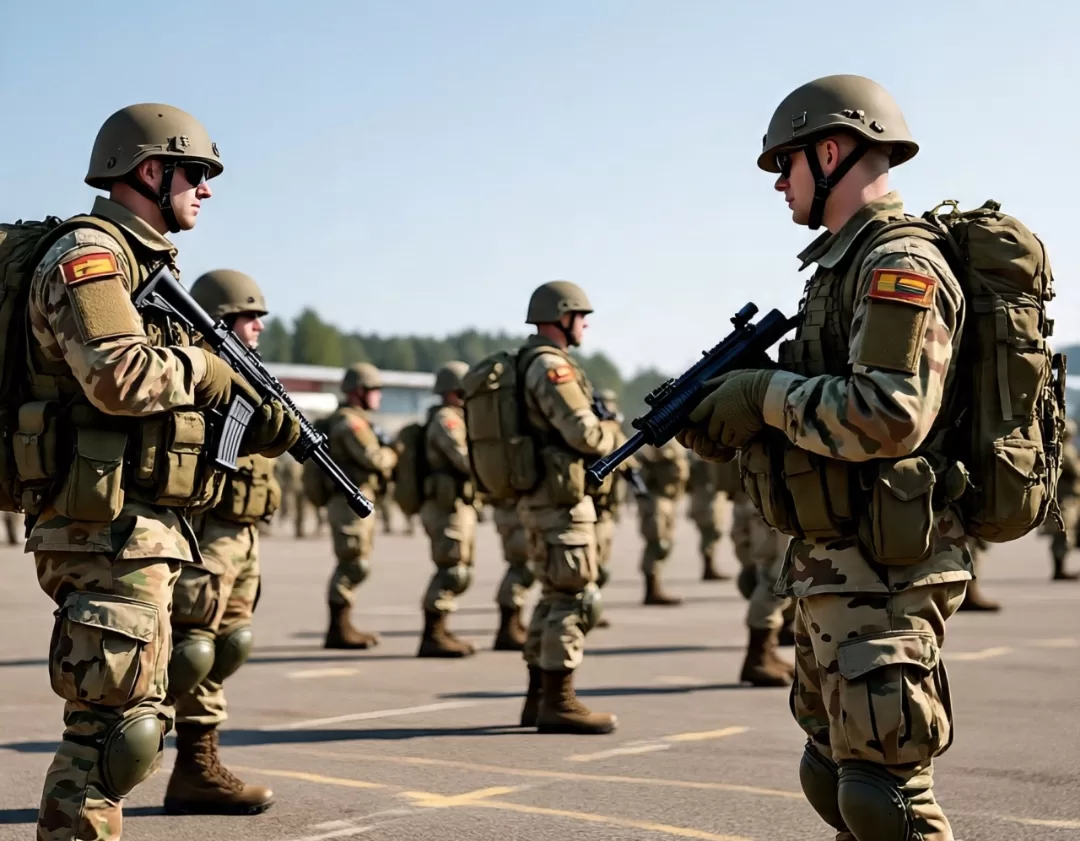
The government must weigh the options. Defense is important. But so is the economy. Lawmakers are debating now. A decision might come by late 2025.
Public opinion will matter. Protests could influence leaders. Businesses might lobby too. The outcome will shape Germany’s future.
Experts suggest a trial run. Start small and see the impact. Adjust if needed. This could avoid big mistakes.
Conclusion
Compulsory military service is a tough choice. It could strengthen Germany’s defense. But it might hurt the economy. Young people, businesses, and leaders all have a say.
The government needs a plan. Balance is key. Safety and growth must both matter. The next few years will show the result.
Stay tuned for updates. This debate will shape Germany’s path. Your voice could make a difference.

For more updates and analysis, visit our
LJ News
WhatsApp
Facebook
Telegram