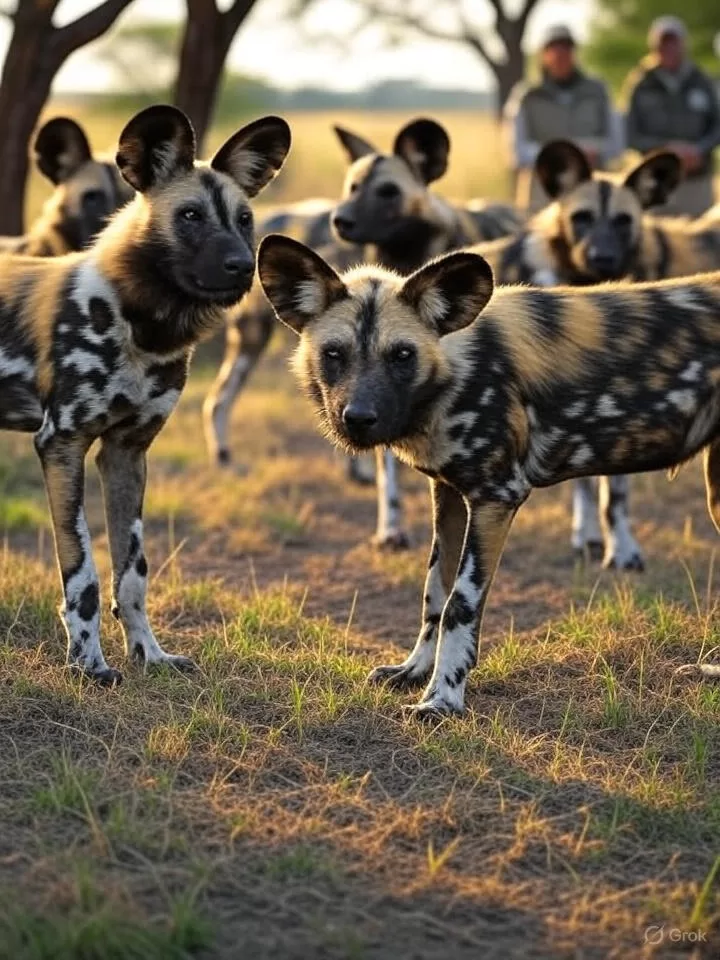
Scientists are amazed. A species showed surprising behavior. It was moved from captivity to the wild. The news broke today, June 8, 2025. Experts call it a big deal. This could change how we save animals. The story is exciting. Read on to learn more.
The Species Involved
The species is the African painted dog. It’s also called the African wild dog. They have colorful coats. These dogs were in a zoo. They lived there for years. Now, they are free. The release happened last month. It was in a nature reserve in South Africa.
What They Did
The dogs surprised everyone. They formed new packs fast. This is rare for captive animals. They also hunted on their own. They caught prey within days. Experts didn’t expect this. The dogs adapted quickly. They acted like wild-born dogs.
Why It Matters
This behavior is a breakthrough. It shows captive animals can adjust. Many thought they couldn’t. This could help other species. Conservation efforts might improve. The dogs’ success gives hope. It proves release programs work. Scientists are thrilled.
The Release Process
The project started a year ago. Teams planned carefully. They chose healthy dogs. Vets checked them first. The dogs were tagged with trackers. This lets scientists watch them. They were moved in crates. The release was slow. It reduced stress on the animals.
Challenges Faced
The move wasn’t easy. The dogs faced new dangers. Wild predators were a threat. Food was hard to find at first. Some got sick. Vets treated them quickly. The team watched closely. They helped the dogs settle in.
Scientific Reaction
Dr. Sarah Mbeki led the study. She works with the African Wildlife Trust. She said, “This is pretty big news.” Other experts agree. They call it a rare success. The data is still coming in. It will guide future projects. The findings excite the field.
 scientific research on Wild
Community Impact
Local people are happy. The reserve is near their homes. They see the dogs as a sign of hope. Some help watch them. They report sightings to the team. The project creates jobs. It boosts the area’s economy. People feel proud.
Lessons Learned
The success teaches key points. Preparation is vital. Health checks save lives. Trackers help monitor progress. Slow releases work best. These steps can help other species. The method might spread worldwide.
Future Plans
The team wants to do more. They plan to release other dogs. New reserves are in talks. The goal is to grow the population. They need funds. Donations are welcome. The project could expand soon.
Threats to Watch
The dogs still face risks. Poachers are a danger. Habitat loss hurts them too. Climate change adds pressure. The team will fight these threats. They need support from all. Protection is ongoing.
What This Means for Conservation
This success changes things. It shows captivity can work. Animals can return to nature. It gives hope to endangered species. The approach might save others. Experts are studying the data. Results will guide new plans.
Check our Wildlife Section for updates. This story is just beginning. More news will come.
For more updates and analysis, visit our
LJ News.
WhatsApp
Facebook